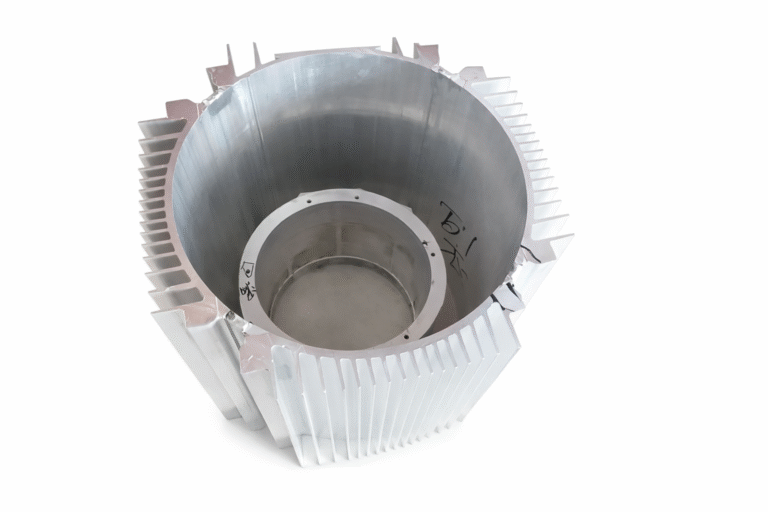
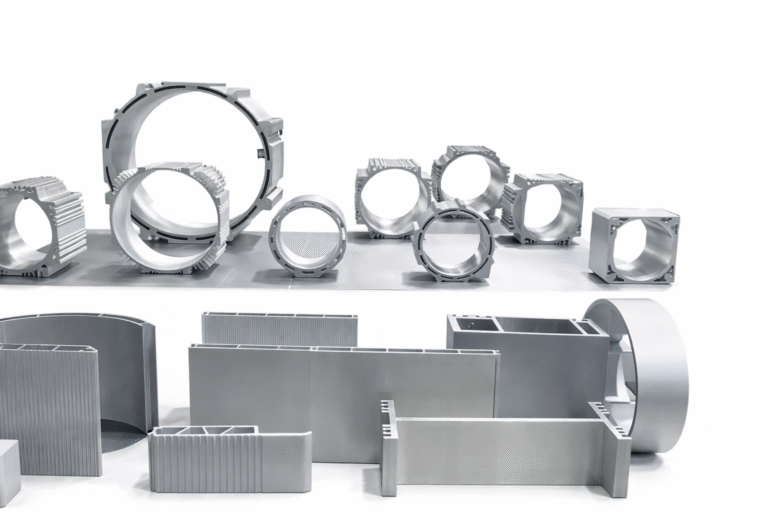
Electric Power Industry Motor Housing Generator Alternator Aluminum
Aluminum profiles are a crucial component in the construction of Electric Vehicle (EV) body structures. These profiles, specifically designed for EVs, offer numerous advantages in terms of weight reduction, enhanced durability, and improved overall performance
Products Description
Electric Power Industry
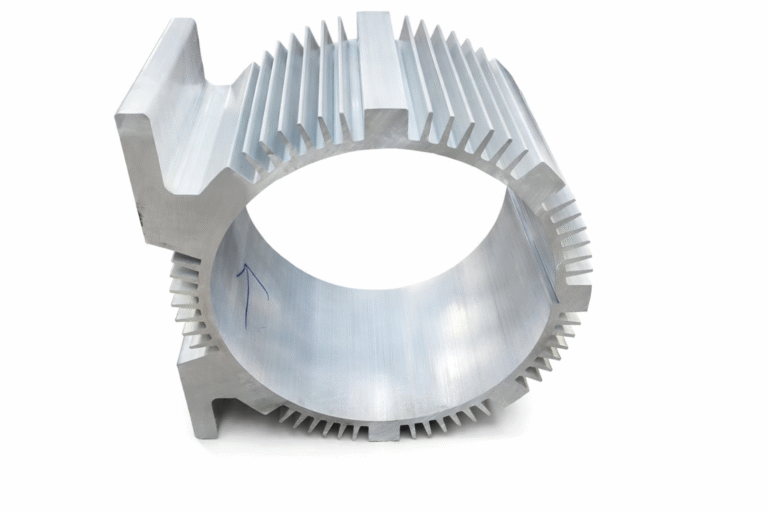
Motor Housing #Generator #Alternator Aluminum #3
The high-pressure shell is a structure used to protect internal components from external environmental influences, and may also need to withstand certain internal pressures. It is made of pressure resistant materials and can provide good sealing and structural strength. Widely used in urban power grid construction and renovation projects, industrial and mining enterprises, high-rise buildings, and public facilities, as a ring network power supply unit and terminal equipment, it plays a role in the distribution and control of electrical energy and the protection of electrical equipment. It can also be installed in box type substations.
Specifications:
-
Material Types: Common aluminum alloys include:
-
6061: Offers good mechanical properties and corrosion resistance, suitable for body frames and battery trays.
-
6082: Higher strength, suitable for load-bearing structures.
-
1050: Primarily used for lightweight designs, suitable for decorative components.
-
-
Surface Treatment:
-
Anodizing: Enhances corrosion resistance, commonly used for battery trays and exterior structures.
-
Spray Coating/E-coating: Provides various appearances and additional corrosion resistance.
-
Powder Coating: Improves surface wear resistance and weather durability.
-
-
Size Specifications:
-
Length: Typically customized based on client needs, with common standard lengths of 6 meters or 12 meters.
-
Width: Varies from a few centimeters to several hundred millimeters depending on the profile’s application.
-
Thickness: Typically ranges from 1mm to 5mm, but specific thickness will vary based on design requirements.
-
-
Shapes and Types:
-
Common cross-sections include L-shape, T-shape, U-shape, C-shape, etc., adapting to various structural designs.
-
Customized Profiles: Tailored designs available for specific projects.
-
-
Load Capacity:
-
Profiles are selected based on the load requirements of the components, and EV aluminum profiles are often strength-tested to ensure they meet the safety standards of vehicle designs.
-
Application Scenarios:
✅ High-Rise Buildings – Ensures structural integrity and faster project completion.
✅ Bridges & Flyovers – Provides durable support for large-scale infrastructure.
✅ Tunnels & Underground Construction – Lightweight yet strong for confined spaces.
✅ Residential & Commercial Complexes – Improves formwork efficiency and reusability.
✅ Industrial Facilities – Supports heavy-load structures with ease.
– Lightweight: Aluminum profiles are known for their high strength-to-weight ratio, making them an ideal choice for electric vehicle (EV) body structures. The lightweight nature of aluminum helps improve the overall efficiency and range of the EV.
– Corrosion resistance: Aluminum profiles offer excellent corrosion resistance, ensuring the longevity and durability of the EV body structure. This is particularly important for EVs, as they are exposed to various weather conditions and potential corrosive elements.
– Flexibility: Aluminum profiles can be easily molded and shaped into various complex designs, allowing for greater design flexibility in EV body structures. This enables manufacturers to create sleek and aerodynamic designs for improved performance and aesthetics.
– Enhanced safety: Aluminum profiles provide high energy absorption capabilities, making them suitable for enhancing the safety features of EVs. They can absorb and dissipate energy during collisions, helping protect passengers and minimizing damage to the vehicle.
– Sustainable and recyclable: Aluminum is a highly sustainable material as it is 100% recyclable without any loss in quality. This makes aluminum profiles an eco-friendly choice for EV body structures, aligning with the increasing focus on sustainability in the automotive industry.
– Thermal conductivity: Aluminum profiles have excellent thermal conductivity, allowing for efficient heat dissipation in EVs. This is crucial for managing the heat generated by electric drivetrains and battery systems, ensuring optimal performance and avoiding overheating issues.
– Cost-effective: While aluminum profiles may have a higher initial cost compared to other materials, their long-term benefits, such as improved fuel efficiency and reduced maintenance costs, make them cost-effective for EV body structures.
In conclusion, EV aluminum profiles play a crucial role in the development and success of electric vehicles. These lightweight and durable profiles provide structural integrity and flexibility to the vehicle’s components, contributing to improved performance and efficiency. Additionally, the use of aluminum profiles in EV manufacturing helps reduce the overall weight of the vehicle, increasing its range and reducing energy consumption. As the demand for electric vehicles continues to grow, the importance of aluminum profiles in their production will only increase. With ongoing advancements in technology and material science, it is likely that we will see further innovations in EV aluminum profiles, enhancing the overall sustainability and performance of electric vehicles.
Leave Us A Message
Related Products
Related products
-
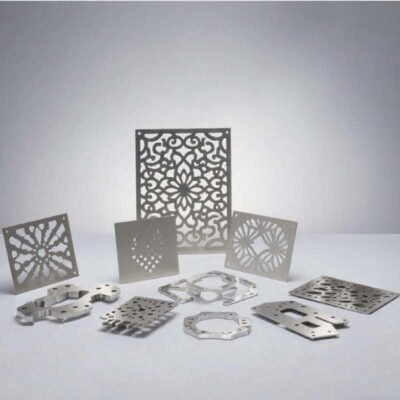
Premium Metal Sheet OEM Laser Cut Aluminum aluminum profiles #2
Rated 0 out of 5